
Winter warmth from an air conditioner - real UK running costs
What it actually costs to heat one UK room with an air conditioner in autumn and winter 2025, compared against gas, oil and electric radiators.
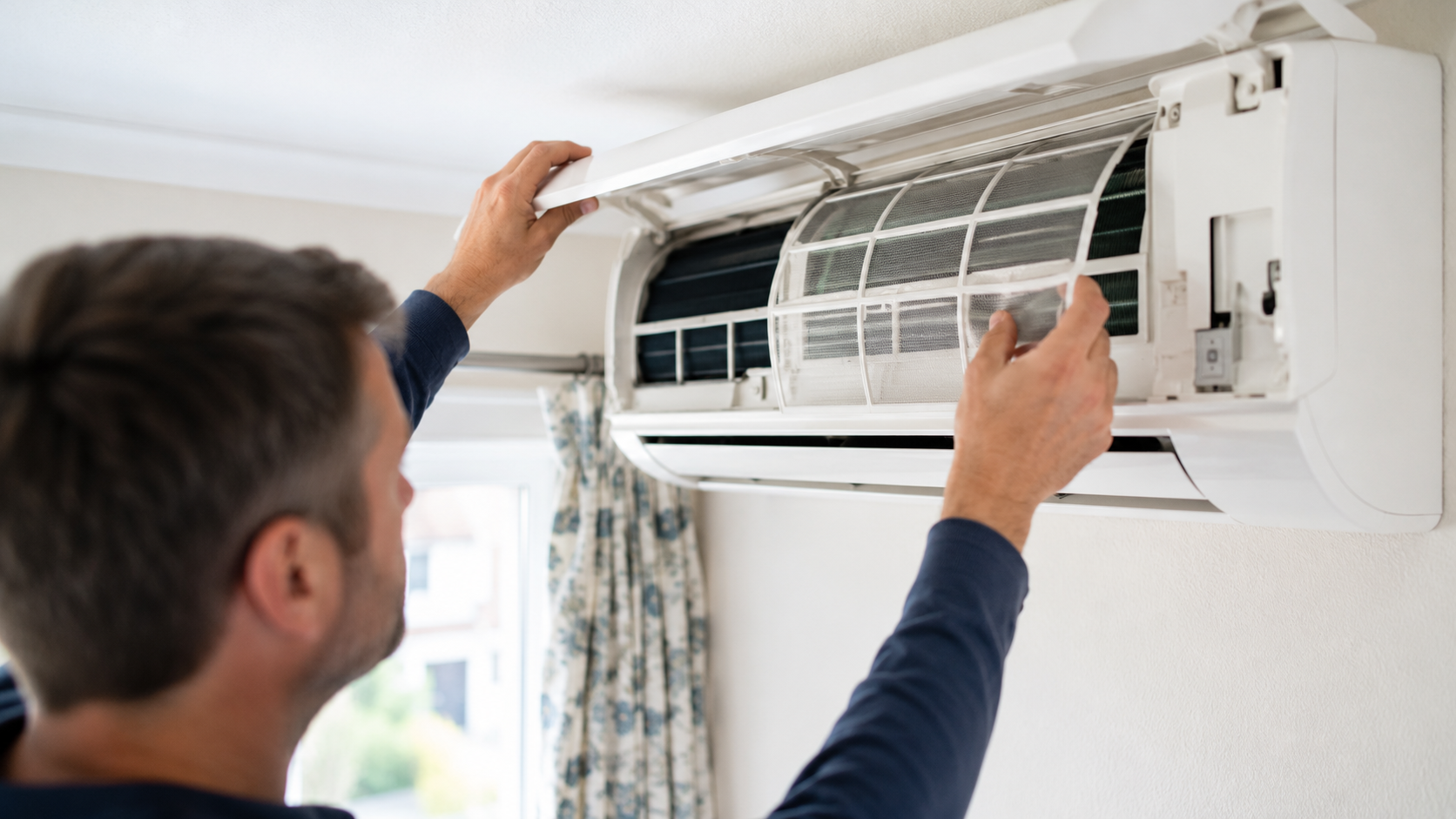
Modern fitted air con units are heat pumps. On heat mode they push warm air into a room using about a third of the energy an electric radiator burns. Here is what that means in pounds and pence for a UK household in autumn 2025.
The numbers, one room at a time
A typical 2.5 kW split unit (the size most people put in a bedroom or small living room) draws about 700 watts when producing 2.5 kW of heat. That is a coefficient of performance of about 3.5 - which is normal for modern kit.
At the October 2025 UK electricity price cap of 24p per kWh, that unit costs:
- 17p per hour on a medium setting
- 25p per hour on maximum output
- 6p per hour once the room is up to temperature and the compressor eases off
Run it for 4 hours a night through October and November - a fair amount for a family evening plus bedtime - and you spend about £11 to £15 a month heating that one room.
How that compares to the alternatives
Same 4 hours a night, same room, other options:
- Electric radiator (2 kW oil-filled): £24 a month
- Portable gas heater: £22 a month, plus condensation and a carbon monoxide alarm needed
- Gas central heating: £8 a month for that one room - but only if the boiler runs just that zone, which most cannot
The killer detail is the last one. Gas central heating is cheaper per room if you actually zone it. Most UK homes cannot. Turning on the boiler heats the whole house, so real cost per room is closer to £20 to £30 depending on the size of the property.
The pattern that saves the most money
The households who save the most on their yearly bill use air con this way:
- Delay the boiler switch-on until December. Use air con on the rooms actually being used through September, October, and November.
- Set the air con to 19 or 20 degrees. Sleeping temperature. Not 24.
- Switch off when the room is empty. The unit reaches setpoint within 10 minutes so short bursts work.
Households who follow this pattern report knocking £150 to £300 off their yearly gas bill.
When to give up and put the gas on
At about 3 degrees outside, air con starts working harder. It still beats an electric radiator - the COP does not fall off a cliff - but the gap to gas central heating narrows. Below zero, gas central heating is cheaper per unit of heat.
For a UK winter that means:
- September to mid-November: air con wins.
- Mid-November to end of February: gas wins for whole-house, air con still wins for one-room top-ups.
- March onwards: air con back on top.
The wrong reasons to buy
Do not buy air con purely to replace your central heating. That is a heat pump job. Full house-scale air-source heat pumps are a different install, a different price, and often qualify for government grants that air con does not.
Do buy air con if you want summer cooling and are happy to get shoulder-season heating as a bonus. That is the sweet spot.
Ready for a quote
If you are thinking about it, autumn is the calmest time to book a survey. Installers have short waiting lists between September and February. Prices are also usually a step below peak summer.
Get up to 3 free quotes from vetted North West installers. Takes about a minute.
Ready for a real quote?
Get up to 3 fixed prices from vetted North West installers.
More on Costs
Cost per hour to run air con in the UK in 2026
Real UK running costs for domestic air conditioning in 2026 - what it costs per hour on cool mode, heat mode, and idle. Broken down by room size.
Air conditioning grants, finance and 0% deals in 2026
What financial help is available for UK air conditioning installs in 2026 - grants, 0% finance deals, and what to watch out for.
Best cheap air conditioning under £2,000 in 2026
A shortlist of the best UK air conditioning units you can get fitted for under £2,000 in 2026 - budget picks that still last 12 years and heat as well as cool.