
Renting? How to get air con with your landlord's blessing
A step-by-step guide for UK renters who want air conditioning fitted - what to ask the landlord, what to offer, and how to structure the conversation.
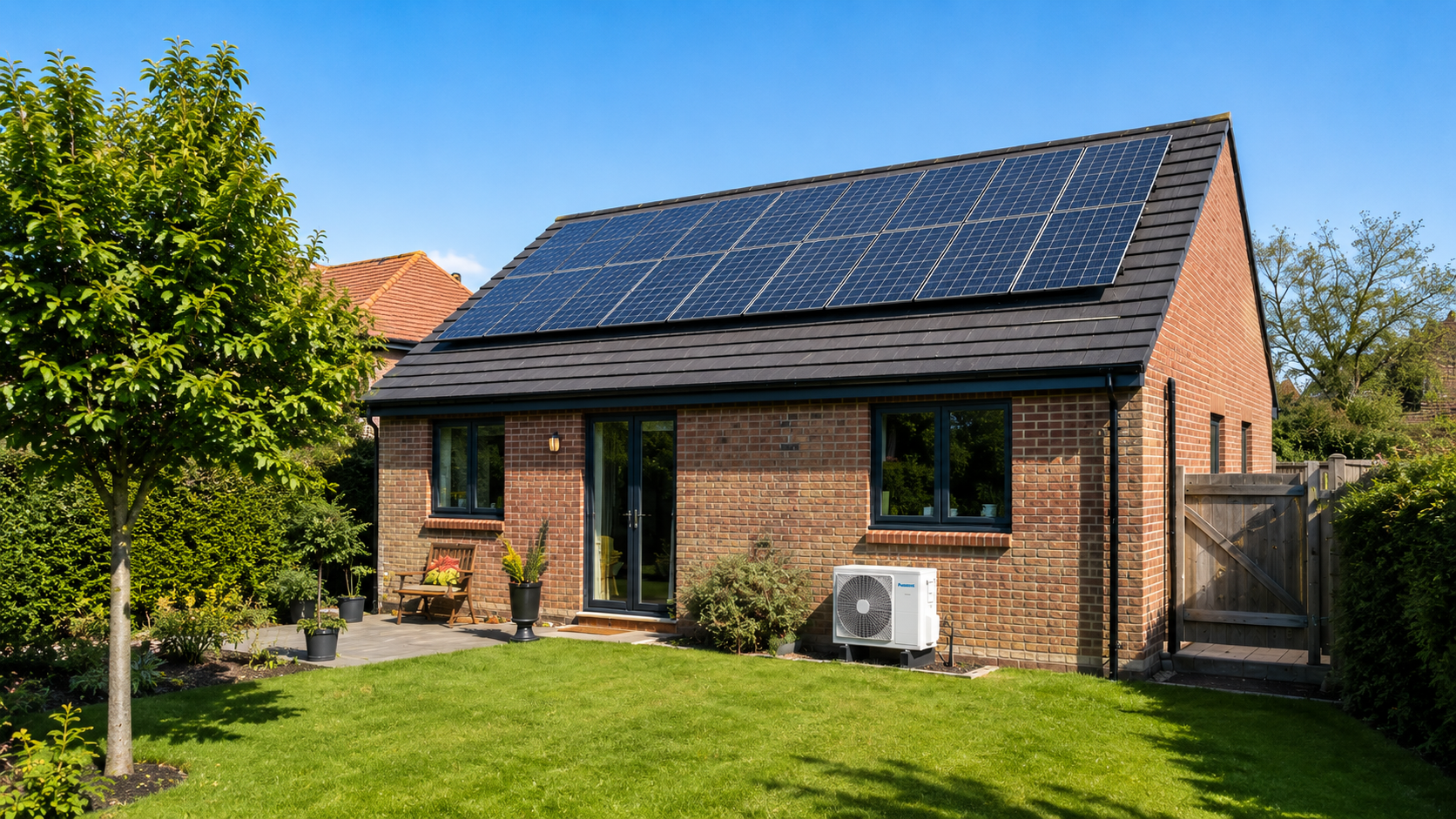
Renters can absolutely fit air conditioning. Two out of three landlord conversations end in yes when you approach them the right way. Here is the approach that works.
The letter, before the phone call
Do not phone the landlord and pitch it out of nowhere. Send an email or letter with three things:
- What you want to install. One line - the type of unit and roughly how many rooms.
- What you will pay for. All install costs, all removal costs at end of tenancy if the landlord wants it removed.
- What the property gains. Air con is a real asset in a rental market where competing landlords do not offer it. Value goes up, next tenant is easier to find.
Frame it as a value addition to their property, not a personal favour.
What most landlords actually worry about
Three things, ranked:
- Damage to the fabric of the building. Ugly holes, cracked plaster, mis-routed pipes.
- Being left with kit they cannot sell if the tenant leaves.
- Noise complaints from neighbours triggering wider issues.
Answer all three in your letter.
For damage: mention that the installer will be F-Gas certified and insured to £2 million public liability, and that you will supply the credentials for their records.
For left-with-kit: offer to remove and repair the wall at end of tenancy if the landlord requests it. Alternatively - and this often lands better - offer to leave the system as an asset for the property with no compensation expected.
For noise: mention that the outdoor unit will be positioned to minimise impact on neighbours and confirm you will handle any complaints directly.
The three offers that usually seal it
- Pay for the annual F-Gas service yourself throughout your tenancy.
- Sign a written agreement that you take responsibility for any repairs to the unit.
- Provide the landlord with the manufacturer warranty documentation on your name, transferable to the property.
None of those cost you much. All of them de-risk the landlord’s decision.
What to do if they say no
Two things worth asking before giving up:
- Would they consider a portable unit (which needs no permanent installation)? A portable is second-best but many landlords who reject fitted installs are fine with portables.
- Would they consider a fitted install if they contributed 50% of the cost as a property improvement they retain? Some landlords come around when they own the asset.
If both fail, respect the answer and move on.
The paperwork you need in writing
If they say yes, get:
- Written permission for the install specifying the make, model, and rough location of the outdoor unit.
- Confirmation of who owns the kit at end of tenancy.
- Confirmation of who pays for annual servicing during tenancy.
Two paragraphs, signed by both parties, filed with your tenancy agreement. That letter saves months of dispute later.
What no installer will do without landlord permission
No F-Gas certified installer will start work on a rented property without seeing written landlord permission. Not because the law requires it - it does not - but because they know from experience that installs without permission become disputes that involve them.
Do not try to sneak an install in. It is not worth the fallout.
Get three quotes once you have permission
Once the landlord has signed off, fill in the quote form and mention “rented, landlord permission secured” in the comments. Three fixed prices back within 24 hours from vetted local installers.
Or check the prices page for a rough bracket before you approach the landlord - useful ammunition to show them what you are proposing to invest.
Ready for a real quote?
Get up to 3 fixed prices from vetted North West installers.
More on Guides
Air conditioning for a garden room or garden office
Garden rooms cook in August and freeze by November. One split system handles both jobs. How to size it, what the electrics need, where the condenser goes, and what a garden room install costs in 2026.
Air conditioning in a flat: what leaseholders need to know
Flats overheat worse than houses and carry the tightest rules on fitting cooling. Here is what your lease says, where the condenser can go, what freeholder consent costs, and the options when there is no outdoor space at all.
What temperature should you set your air conditioning?
Setting 16C does not cool a room any faster, and it costs you for the privilege. Here is the setpoint that works in a UK summer, what each degree adds to the bill, and when dry mode beats cool mode.