
What F-Gas certified means and why it matters
F-Gas certification is a legal requirement for air con installers in the UK. Here is what it covers, why it matters, and how to check your installer has it.
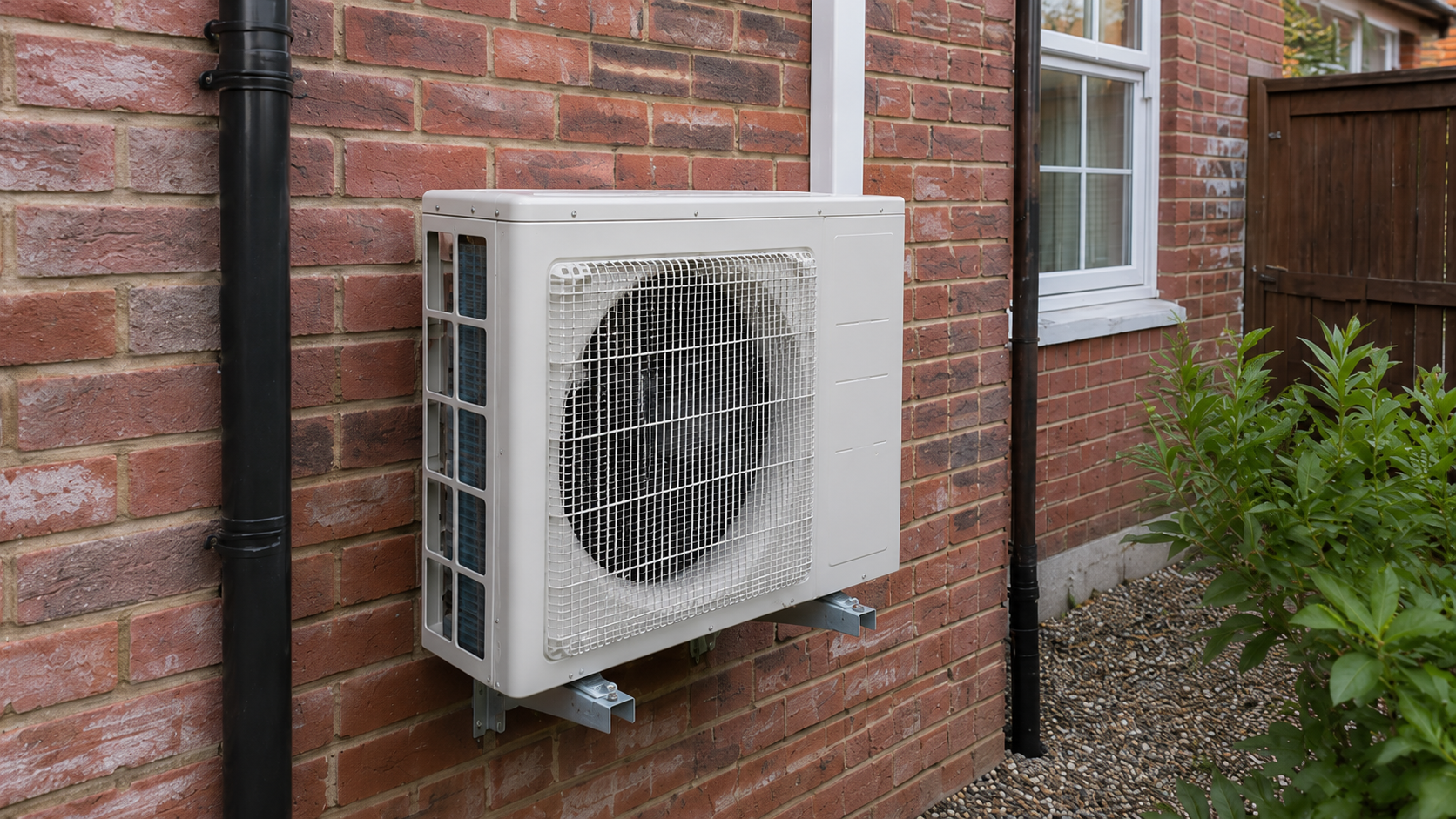
Every legitimate UK air con installer has F-Gas certification. Every illegitimate one does not. This is the single most important credential to check before you sign anything.
What F-Gas actually is
F-Gas is short for Fluorinated Greenhouse Gases - the refrigerants inside every air con unit. R32 is the most common in 2025. R410A is the older one being phased out.
These refrigerants are potent greenhouse gases. A kilo of R32 has the same global warming impact as 675 kilos of CO2. That is why the UK regulates the people who handle it.
The F-Gas regulation says only certified engineers can install, service, or decommission any equipment containing fluorinated refrigerants above a small threshold. That threshold covers every fitted split system in the UK.
What “certified” involves
A Category 1 F-Gas certificate lets an engineer install, service, and repair any refrigerant system. It requires:
- Passing the City and Guilds 2079 exam, or an equivalent.
- Continuous professional development and renewal every five years.
- Working through a company that is itself registered on the F-Gas company register.
An engineer with the certificate can prove it with a card and a certificate number. Ask for both.
What happens if the installer does not have it
Three things:
- The install is illegal. HMRC and the Environment Agency have the power to fine the installer, but the mess is yours to clean up.
- The manufacturer warranty is void. Every major brand refuses warranty claims on installs by uncertified engineers.
- When the unit leaks or needs regassing, no certified engineer will touch it without documentation you cannot produce.
The unit might work for a year or two. Then it does not, and the cheap install turns into a full replacement.
The knock-on for you as a homeowner
Under F-Gas regulations, the equipment owner is technically responsible for keeping the system in compliance. In domestic settings enforcement is rare, but a leaking system in a rented property or a small commercial unit is exactly the kind of thing an insurance investigation picks up on when there is a fire or a subsidence claim nearby.
The practical version: do not install air con outside the regulation. It is cheaper, safer, and cleaner to do it right.
How to check an installer’s certification
Three quick checks:
- Ask for the F-Gas certificate number. It should be an eight-character code.
- Look up their company on REFCOM’s public register at refcom.org.uk. Most legitimate UK installers are listed.
- Look at their van and website. Certified installers advertise it because it is a selling point. Uncertified ones do not.
If any of those turn up dry, get a different installer.
What the certified installer will do differently
Small things you might not notice:
- Weighs and logs the refrigerant charge to the exact gram.
- Uses a vacuum pump on the pipework before commissioning to remove moisture.
- Provides a commissioning certificate with your paperwork.
- Registers the install with the manufacturer to activate the extended warranty.
None of these are optional. All of them are the difference between a system that works for 12 years and one that starts leaking after 18 months.
Every Cooler Spaces installer is certified
We check the F-Gas certificate expiry, the REFCOM registration, and the public liability insurance before an installer takes their first enquiry from us. If they cannot show us all three, they do not join the network.
Get up to 3 free quotes from installers who have already been through this check. Takes about a minute.
Ready for a real quote?
Get up to 3 fixed prices from vetted North West installers.
More on Guides
Air conditioning for a garden room or garden office
Garden rooms cook in August and freeze by November. One split system handles both jobs. How to size it, what the electrics need, where the condenser goes, and what a garden room install costs in 2026.
Air conditioning in a flat: what leaseholders need to know
Flats overheat worse than houses and carry the tightest rules on fitting cooling. Here is what your lease says, where the condenser can go, what freeholder consent costs, and the options when there is no outdoor space at all.
What temperature should you set your air conditioning?
Setting 16C does not cool a room any faster, and it costs you for the privilege. Here is the setpoint that works in a UK summer, what each degree adds to the bill, and when dry mode beats cool mode.